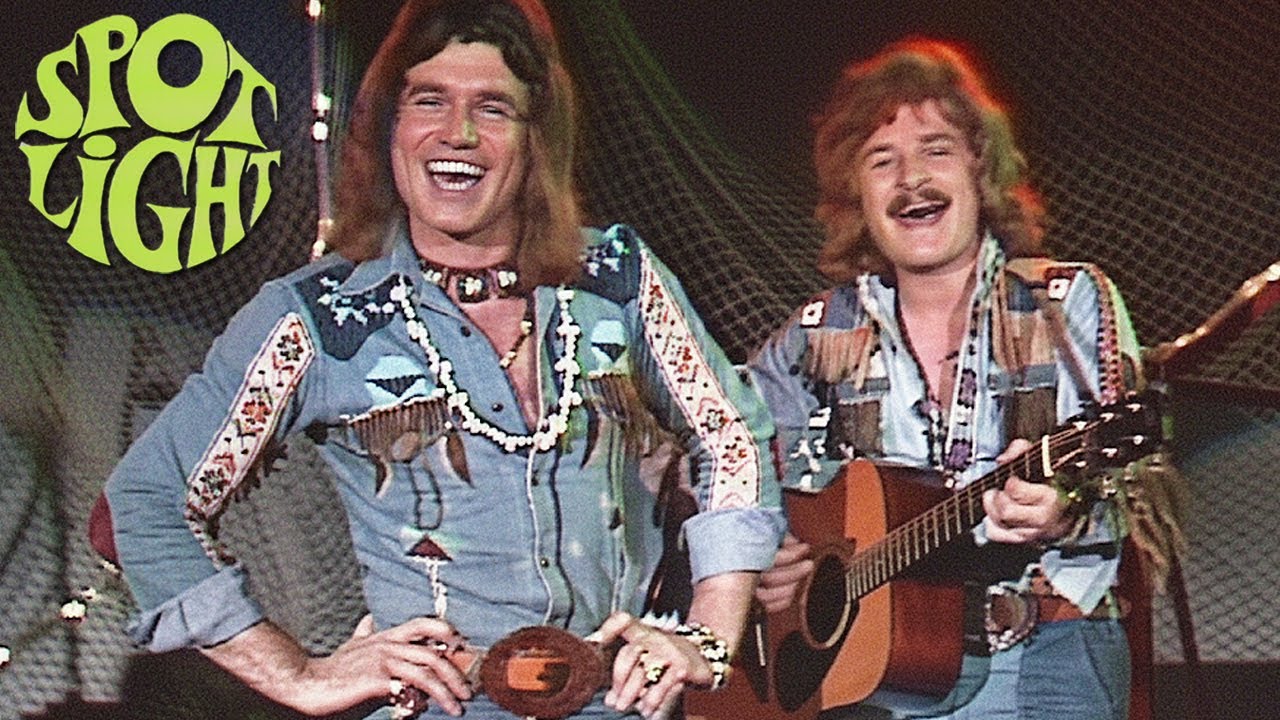
Waterloo & Robinson: Austrian Pop Icons' German Gold, Splits, & Enduring Comebacks
The landscape of European pop music is dotted with duos whose harmonies and history intertwine, but few stories are as rich and resilient as that of
Waterloo Und Robinson. Comprising the charismatic Johann Kreuzmayr, known as "Waterloo," and the equally talented Josef Krassnitzer, or "Robinson," this Austrian duo carved out a unique niche, achieving massive success in Germany, navigating periods of separation, and consistently finding their way back to the stage. Their journey is a compelling narrative of musical partnership, commercial peaks, creative differences, and the magnetic pull of shared artistic vision.
The Genesis of a Pop Phenomenon: Waterloo Und Robinson's Early Days
The year was 1969 when the musical paths of Hans Kreuzmayr and Sepp Krassnitzer serendipitously converged. Kreuzmayr, already a boutique owner, was seeking an employee for outfit design and found more than he bargained for in Krassnitzer – a kindred spirit with a shared passion for music. Both were already active in local bands, and a decision to combine their talents was swift. Initially performing as the "Edward Brothers" due to a lack of an official band name, they quickly began to make waves.
Their breakthrough arrived in 1971 at the prestigious ‘Show-Chance’ competition, where their poignant song "Du kannst sehen" (about a blind girl) secured them a respectable third place. This early success set the stage for a rapid ascent. Tracks like "Lili's Haus" followed, but it was "Baby Blue" that marked their first significant international breakthrough, becoming a European hit. The duo’s momentum culminated with the release of "Hollywood," a song that would achieve global recognition and solidify their status as a formidable force in pop music. By June 1974,
Waterloo Und Robinson had reached an impressive peak, holding both the #1 and #2 spots on the Austrian charts, a testament to their burgeoning popularity and melodic appeal. Their unique blend of folk-pop sensibilities with catchy, accessible tunes resonated deeply with audiences across the continent.
Eurovision Glory and the German Golden Era
The international spotlight truly shone on
Waterloo Und Robinson in 1976 when they were chosen to represent Austria at the Eurovision Song Contest. Their entry, "My Little World," was a significant moment for Austrian music history, marking the first time the nation performed entirely in English at the contest. With its memorable melody and heartfelt lyrics, the song captivated European audiences, earning the duo a highly respectable 5th-place finish with 80 points. This performance not only showcased their talent on a grand stage but also broadened their appeal beyond Austria's borders. For a deeper dive into their Eurovision journey and related controversies, you can read more at
Waterloo & Robinson: Austria's Eurovision Pioneers & Controversy.
Following their Eurovision success, a fascinating shift occurred in their career trajectory: their commercial triumph began to increasingly gravitate towards Germany. While they remained popular in Austria, it was the German market that embraced them with unparalleled enthusiasm. A prime example of this phenomenon was their 1979 release, "Do you remember Marianne." Despite receiving relatively little attention in Austria, the single rapidly achieved gold status in Germany, underscoring their immense popularity there. They became perennial fixtures on the iconic ZDF hit parade, a crucial platform for pop acts in Germany, solidifying their reputation and fan base. It was during this period, in 1978, that the duo also embarked on a unique project, making the movie "Wild Land" in Kenya, which subsequently inspired an album of the same name, "Wild, Wild Land." This era truly marked their transformation into German pop darlings.
The Splits, Solo Ventures, and the Call of Reunion
Despite their immense success in Germany, the uneven reception between Austria and Germany began to sow seeds of discord within the duo. The lack of commensurate success in their home country, compared to their golden status across the border, led to growing disagreements. These creative and perhaps even emotional tensions ultimately culminated in the pop duo's first official split in 1981.
Following the separation, both Waterloo and Robinson embarked on solo careers, each finding their own distinct paths. Waterloo, leveraging his established persona and vocal talent, released a solo album that proved to be a considerable success in Austria. His individual achievements also extended to Germany, where he remarkably became the first Austrian artist to receive an award for the "best German singer," further cementing his cross-border appeal. Robinson, while also releasing solo albums, opted for a somewhat quieter trajectory. He dedicated a significant portion of his time to working behind the scenes, participating in numerous productions for younger, emerging artists of that era, nurturing new talent and contributing to the broader music scene.
However, the bond that had brought them together in 1969 proved difficult to sever entirely. After approximately a decade apart, the first stirrings of a reunion began to emerge. They tentatively reconnected, performing together at concerts in 1989 and 1990, testing the waters and rekindling their shared stage chemistry. While these early reunions didn't immediately lead to a full-fledged comeback, they demonstrated a mutual willingness to explore their partnership again, even as both continued to pursue individual solo projects alongside these collaborative efforts.
The Comebacks, New Hits, and Lingering Controversies
The 1990s and early 2000s saw
Waterloo Und Robinson embrace a pattern of intermittent reunions and releases, demonstrating their enduring appeal and artistic resilience. They continued to release new songs every couple of years, blending their classic hits from the 1970s with new material and even incorporating Native American-influenced songs into their live performances – a testament to their versatility and evolving interests.
A notable resurgence came in 2002 with the release of "Na Naa, Nanana – Live Is Life," a cover of the iconic Opus hit. This track struck a chord with audiences, landing on the Austrian charts for seven weeks and becoming a certified smash hit of the week upon its release. This success buoyed their spirits and solidified their comeback efforts.
Their journey back to the spotlight, however, wasn't without its challenges and controversies. In 2004, the duo once again entered the preselection to represent Austria at the Eurovision Song Contest with their song "You Can Change the World." They achieved an impressive second place in the Austrian national final, narrowly losing out to the boyband Tie Break. This defeat sparked significant controversy.
Waterloo Und Robinson vehemently protested Tie Break's winning entry, "Du bist," alleging that the song exceeded the allowed three-minute duration, clocking in at between 3:09 and 3:11 depending on the playback stereo. Their strong conviction was famously encapsulated in their statement: "If skiers battle over the tenth part of a second, we must be allowed to go to court because of a time exceeding of 5%." They even filed a legal challenge, highlighting their passionate commitment to fair play and the rules of the competition. This incident underscored their determination and unwillingness to let perceived injustices go unchallenged. Their extensive journey from local acts to global hits, peppered with such moments, offers a rich history. To explore more about this epic journey, visit
From Local Acts to Global Hits: The Waterloo & Robinson Journey.
Enduring Legacy and Solo Paths Renewed
By mid-2007, after numerous comebacks, releases, and memorable performances,
Waterloo Und Robinson made a collective decision to once again concentrate on their individual solo projects, particularly in their live appearances. This wasn't an acrimonious split, but rather a natural evolution for two artists who had explored both their shared and individual creative landscapes extensively.
The legacy of
Waterloo Und Robinson is undeniably significant. They were more than just a pop duo; they were pioneers, representing Austria with distinction at Eurovision and demonstrating remarkable staying power in the highly competitive music industry. Their journey offers several insights into the music business:
- Adaptability: Their ability to blend genres, from folk-pop to Native American-influenced tunes, kept their music fresh.
- Resilience: Navigating disagreements, splits, and comebacks showcased an unwavering passion for their craft and a unique bond.
- Market Savvy: Understanding and capitalizing on their popularity in Germany, even when their home country's embrace was cooler, was a strategic move.
- Artistic Integrity: Their stand against perceived rule violations in the 2004 Eurovision preselection underscored their commitment to fair competition.
Their story is a testament to the complex dynamics of a successful musical partnership, the challenges of maintaining relevance across decades, and the enduring power of music to bring artists, and their fans, back together.
Conclusion
The saga of
Waterloo Und Robinson is a fascinating chapter in Austrian and German pop history. From their serendipitous meeting in 1969 to their iconic Eurovision performance, their German gold records, and the cycles of separation and reunion, Hans Kreuzmayr and Sepp Krassnitzer have left an indelible mark. Their musical journey, marked by catchy melodies, genuine artistry, and a healthy dose of controversy, speaks volumes about the passion and persistence required to thrive in the music industry. As they continue to pursue their individual creative endeavors, the story of
Waterloo Und Robinson remains a vibrant reminder of two artists whose shared world resonated deeply with millions.